IVF, Natural Conception & Why Preparation Matters
If you’re trying to conceive naturally or preparing for IVF, one of the most common questions is:
When is the best time to start fertility acupuncture?
The short answer is: earlier than most people realise.
While acupuncture can offer valuable support around ovulation or embryo transfer, both research and clinical experience show that it works best when it supports the body in advance, rather than trying to influence fertility at the last possible moment. Fertility is not a single event, It is a process that unfolds over time.
How Fertility Acupuncture Works
Fertility acupuncture is rooted in Traditional Chinese Medicine (TCM), which views reproductive health as part of a wider, interconnected system rather than an isolated function.
From this perspective, conception depends on:
Strong Kidney energy (reproductive reserves)
Healthy blood flow to the uterus and ovaries
Balanced hormones supported by smooth Liver Qi
A calm, well-regulated nervous system
Acupuncture supports fertility by improving circulation, influencing neuro-endocrine regulation, and reducing stress responses that can interfere with ovulation and implantation. These changes develop gradually, which is why fertility acupuncture is most effective when it is consistent rather than occasional.
What Research Says About Acupuncture Timing for Fertility
Early randomised controlled trials suggested that acupuncture performed before and after embryo transfer could improve IVF pregnancy rates. One of the earliest and most widely cited studies by Paulus et al. (2002) reported higher pregnancy rates in women receiving acupuncture around embryo transfer.
As further research emerged, a more nuanced understanding developed.
Systematic reviews and meta-analyses later found that acupuncture limited to two or three sessions on embryo-transfer day alone often did not significantly improve live birth rates. These findings highlighted that treatment “dose” and timing are critical factors rather than acupuncture being ineffective overall (Cheong et al., 2013; Manheimer et al., 2013).
Research into acupuncture and male fertility suggests that sperm quality may also respond to supportive treatment over time. A clinical study by Siterman et al. found that acupuncture was associated with improvements in sperm motility and morphology in men with idiopathic infertility. These changes are thought to relate to improved circulation, nervous system regulation, and reduced physiological stress, factors known to influence sperm development.
More recent research has drawn attention to the importance of a whole-systems approach. A large retrospective cohort study found that women who received Whole Systems Traditional Chinese Medicine (WS-TCM), including acupuncture delivered over several weeks before IVF alongside supportive lifestyle care, had significantly higher live birth rates compared with women receiving IVF alone or acupuncture only on embryo-transfer day.
In this study, an average of 11–12 acupuncture sessions before IVF, in addition to treatment on embryo-transfer day, was associated with greater odds of live birth in both donor and non-donor cycles (Hullender Rubin et al., 2015).
These findings closely reflect real-world clinical practice: fertility acupuncture is cumulative, not a one-off intervention, and effective preparation often involves supporting both partners, not just the female cycle.
When Is the Best Time to Have Acupuncture for Fertility Naturally?
If you are trying to conceive naturally, the ideal time to begin acupuncture is typically around three months before actively trying.
This timeframe matters because:
Eggs take approximately 90–120 days to mature
Hormonal rhythms require time to stabilise
Uterine receptivity improves gradually
Stress patterns affecting ovulation and implantation need time to settle
Regular acupuncture during this preparation phase can help:
Regulate menstrual cycles
Support ovulation
Improve uterine blood flow
Reduce stress-related hormonal disruption
The same timing principle applies to sperm health.
Sperm quality also develops over approximately 70–90 days, which means changes made weeks or months before trying to conceive can influence:
Sperm count
Motility (movement)
Morphology (shape)
DNA integrity
Acupuncture can support male fertility by improving circulation, regulating stress hormones, supporting hormonal balance, and optimising overall reproductive health.
This is why fertility preparation is often most effective when both partners are supported together, rather than focusing on one side alone.
If you’re trying naturally, tracking basal body temperature (BBT) can help you understand your ovulation patterns.
Fertility Acupuncture Timing for IVF Cycles
Acupuncture can support IVF treatment at multiple stages. Evidence and clinical experience suggest it is most effective when integrated throughout the cycle rather than limited to a single appointment.
Before IVF Begins
This is the most important phase for preparation. Acupuncture may help:
During Ovarian Stimulation
During stimulation, acupuncture can support:
Follicle development
Circulation to the ovaries
Management of side effects such as bloating, anxiety, or poor sleep
Before and After Embryo Transfer
Acupuncture around embryo transfer focuses on:
While this timing is important, research suggests it is most effective when the body has already been prepared in the weeks or months beforehand.
In summary: Fertility acupuncture is most effective when started before IVF or conception attempts. Research suggests that regular acupuncture over several weeks, rather than one-off sessions around embryo transfer, is associated with better outcomes. A whole-body approach that supports hormones, blood flow, and nervous system regulation appears to offer the greatest benefit.
A Simple Fertility Acupuncture Timeline
To put this into context, fertility acupuncture support often follows a progression such as:
Months −3 to −1: Preparation, regulation, and cycle optimisation
IVF stimulation phase: Support for ovarian response and side-effect management
Transfer window: Uterine receptivity, nervous system calming, and implantation support
This phased approach reflects how fertility functions in the body, gradually, cumulatively, and in response to consistent input.
What a Fertility Acupuncture Plan May Involve
While every treatment plan is individual, fertility acupuncture typically involves:
Regular sessions during preparation
Adjustments based on cycle phase or IVF stage
Ongoing assessment rather than fixed protocols
Careful coordination with medical treatment timelines
This ensures acupuncture support is appropriate, responsive, and aligned with your wider fertility care.
Why Working With a Fertility Specialist Matters
Fertility acupuncture requires advanced training, ongoing clinical experience, and careful professional judgement. Treatment approaches vary depending on individual diagnosis, medication protocols, cycle phase, and how the body responds over time.
At Deanna Thomas – Acupuncture & Wellbeing, fertility support is led by Deanna Thomas, BSc (Hons), Lic.Ac, MBAcC, a licensed acupuncturist and registered member of the British Acupuncture Council, with specialist training in obstetrics and gynaecology acupuncture and fertility support training with Naava Carmen, a leading international educator in fertility awareness and integrative reproductive care.
With extensive experience supporting women and couples through natural conception, IVF, ICSI, IUI, and frozen embryo transfer cycles, treatment is carefully tailored to align with medical care, fertility timelines, and individual presentation.
Working with a practitioner experienced in fertility and IVF support helps ensure treatment is:
Safe and appropriate, with a clear understanding of fertility medications and treatment stages
Timed correctly, in relation to cycle phase, stimulation protocols, and embryo transfer windows
Personalised rather than generic, based on thorough assessment and ongoing clinical review
Aligned with medical care, supporting, not conflicting with, fertility treatment plans
This specialist, evidence-informed approach allows acupuncture to be used as it is intended: as structured, supportive care throughout the fertility journey, rather than a one-size-fits-all intervention.
Clinical Insight From My Practice
In clinical practice, many people come to acupuncture late in their fertility journey, often in the lead-up to IVF. Acupuncture can still offer valuable support at this stage, particularly for nervous system regulation, circulation, and emotional wellbeing, but outcomes are consistently strongest when the body has had time to respond to treatment.
Fertility is cumulative. Hormonal regulation, cycle quality, egg and sperm development, and nervous system balance all change gradually, not instantly.
When acupuncture is introduced earlier and delivered in a structured, consistent way, the body has the opportunity to stabilise and respond before medical intervention becomes urgent.
This is why early, proactive support tends to be more effective than last-minute intervention, not because later care has no value, but because physiology needs time, rhythm, and repetition to shift.
Who May Benefit From Fertility Acupuncture?
Fertility acupuncture may be helpful if:
You’ve been trying to conceive for several months without success
Your menstrual cycles are irregular, painful, heavy, or emotionally challenging
You are preparing for IVF, ICSI, or IUI and want to support your body alongside treatment
You feel physically depleted, hormonally out of balance, or emotionally overwhelmed
You want personalised, whole-body support rather than a single-symptom approach
Trying something new can feel overwhelming, but proactive support often creates the greatest opportunity for change.
Does acupuncture work for fertility?
Acupuncture can enhance fertility by promoting relaxation, improving blood flow to reproductive organs, and balancing hormones. While outcomes vary, research suggests acupuncture is most effective when delivered regularly and as part of a structured fertility support plan.
Taking the Next Step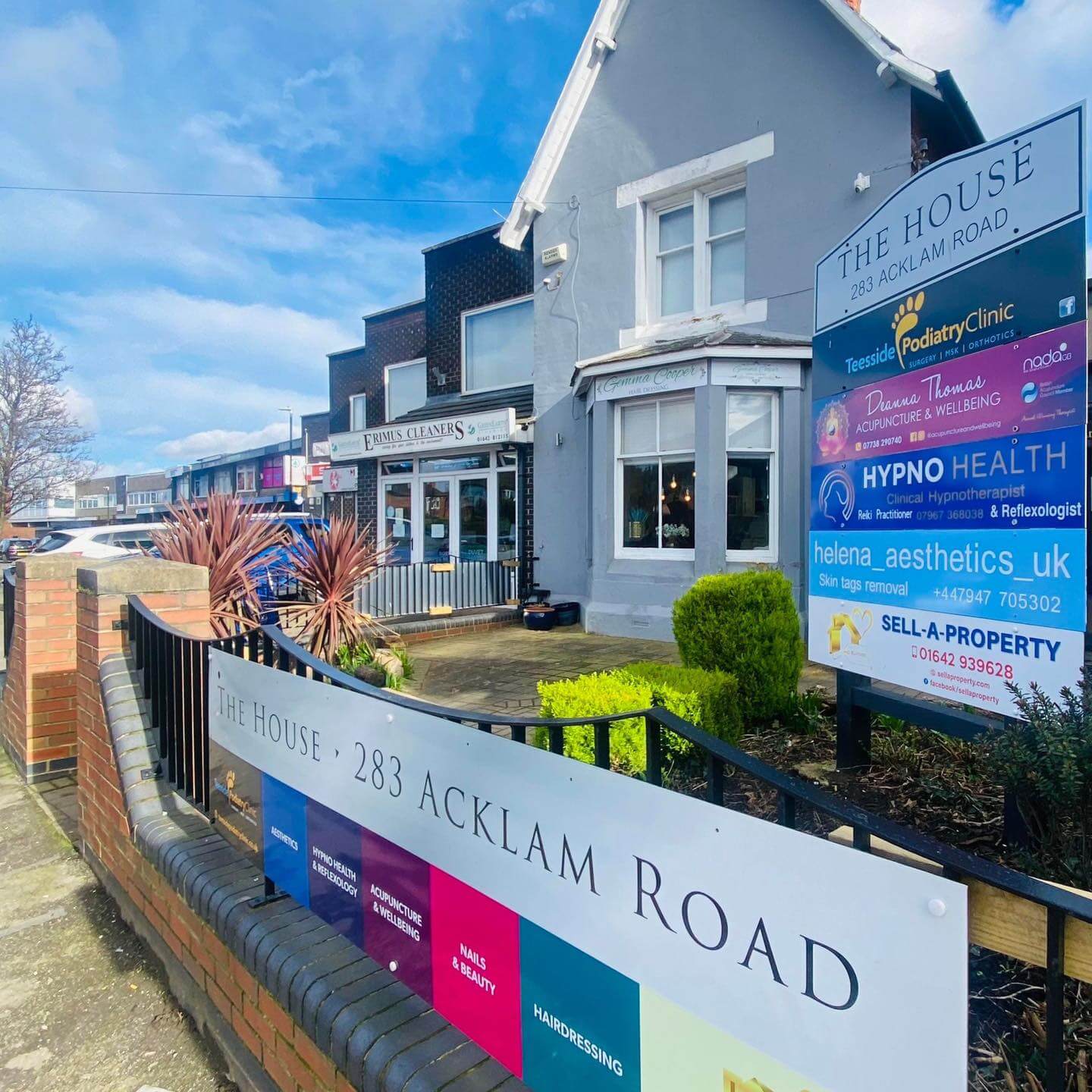
If you are considering fertility acupuncture, an initial consultation allows time to review your health history, cycle patterns, and any upcoming treatment plans. This ensures acupuncture support is well-timed, appropriate, and tailored to you.
📞 Call: 0800 593 2023🌐 Book online: www.deannathomastherapies.com
When balance is restored, the body can do what it is designed to do.
Research References
Paulus, W. E., Zhang, M., Strehler, E., El-Danasouri, I., & Sterzik, K. (2002). Influence of acupuncture on the pregnancy rate in patients who undergo assisted reproduction therapy. Fertility and Sterility, 77(4), 721–724.
Cheong, Y. C., Dix, S., Ng, E. H. Y., Ledger, W. L., & Farquhar, C. (2013). Acupuncture and assisted reproductive technology. Cochrane Database of Systematic Reviews, CD006920.
Manheimer, E., Van der Windt, D., Cheng, K., et al. (2013). The effects of acupuncture on rates of clinical pregnancy among women undergoing in vitro fertilization. Human Reproduction Update, 19(6), 696–713.
Hullender Rubin, L. E., Opsahl, M. S., Wiemer, K., Mist, S. D., & Caughey, A. B. (2015). Impact of whole systems traditional Chinese medicine on in vitro fertilization outcomes. Reproductive Biomedicine Online, 30(6), 602–612.
Magarelli, P. C., Cridennda, D. K., & Cohen, M. (2009). Changes in serum cortisol and prolactin associated with acupuncture during controlled ovarian hyperstimulation. Fertility and Sterility, 92(6), 1870–1879.
Siterman, S., Eltes, F., Wolfson, V., Zabludovsky, N., & Bartoov, B. (1997).
Effect of acupuncture on sperm parameters of males suffering from subfertility related to low sperm quality. Archives of Andrology, 39(2), 155–161.